
Can people with heart failure exercise?
Many heart failure patients with stable conditions can exercise under the supervision of a doctor. Regular and personalized physical activity can help increase exercise capacity, reduce symptoms such as shortness of breath and fatigue, strengthen muscles, and make daily life easier.
However, the same exercise program is not suitable for every patient with heart failure. The heart’s pumping capacity, the stage of the disease, the person’s age, comorbidities, medications used, and current symptoms should all be evaluated together. Therefore, a cardiologist should be consulted before starting exercise; the type, duration, and intensity of exercise should be determined individually.
Patients, especially those recently hospitalized for heart failure, experiencing shortness of breath at rest, increased swelling in their legs, or rapid weight gain, should not begin exercising without being monitored. If chest pain, fainting, severe palpitations, or unusually severe shortness of breath develop, exercise should be stopped immediately and medical attention sought.
In short, heart failure does not mean that the patient must remain completely immobile. On the contrary, with the right patient selection and appropriate planning, exercise can be an important part of treatment. The American Heart Association also states that exercise therapy in heart failure can be safe in suitable patients and can support quality of life.
Benefits of Exercise for Heart Failure Patients
People with heart failure may reduce their daily activity for fear of shortness of breath or fatigue. However, prolonged inactivity can lead to muscle weakness, decreased exercise capacity, and greater difficulty in performing daily tasks. Regular exercise, tailored to the patient’s condition, helps break this cycle.
The main benefits that exercise can provide for patients with heart failure are as follows:
- It can make daily activities like walking and climbing stairs easier.
- It can help reduce shortness of breath and fatigue that occur during exertion.
- It can strengthen arm and leg muscles.
- It can help the body use oxygen more efficiently.
- It can increase exercise capacity and endurance.
- It can improve sleep quality and mood.
- It can help reduce anxiety, fear of inactivity, and social isolation.
- It can help a person maintain their independence in daily life.
- It can improve quality of life.
The goal of exercise is not to strain the heart or to bring the patient to high performance in a short time. The main objective is to allow the body to readjust to movement within safe limits and to gradually increase daily living capacity. For benefits to be seen, exercise must be regular, controlled, and appropriate to the patient’s health condition.
What checks should be done before starting exercise?
Patients with heart failure should be evaluated by a cardiologist before starting any exercise program. This evaluation aims to determine if exercise is safe for the patient and to create an appropriate program.
During the examination, the patient is questioned about complaints such as shortness of breath, easy fatigue, chest pain, palpitations, dizziness, fainting, and swelling in the legs. Blood pressure, pulse, body weight, and heart rhythm are assessed. In addition, medications being used and the presence of devices such as pacemakers or ICDs are considered.
Depending on the patient’s condition, the following examinations may be used:
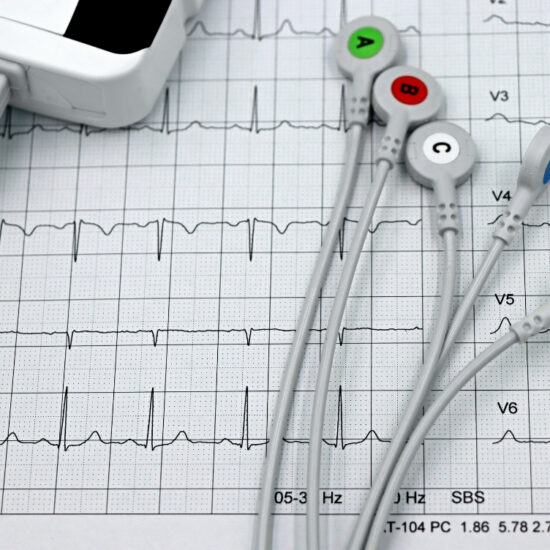
- Electrocardiography (EKG)
- Echocardiography
- Exercise test
- Cardiopulmonary exercise test
- Heart rhythm monitoring with Holter
- Blood tests
- Additional assessments of the lungs and circulatory system.
Not every patient needs to undergo all of these tests. The necessary examinations are determined based on the stage of the disease, symptoms, and the intensity of the planned exercise.
Following the assessment, the patient can be informed about the safe heart rate range, duration, and intensity of exercise. In individuals using medications that affect heart rate, such as beta-blockers, relying solely on heart rate data can be misleading. Therefore, how much the patient feels strained during exercise and whether they have difficulty speaking should also be considered.
Individuals who have recently experienced a heart failure attack, have been recently discharged from the hospital, or are experiencing a worsening of their symptoms should not begin an exercise program on their own. These patients should first have their treatment plan established and their clinical condition allowed to stabilize.
What exercises can patients with heart failure do?
For heart failure patients, low to moderate intensity and sustainable exercises that work large muscle groups are generally preferred. The type of exercise should be determined according to the patient’s exercise capacity, balance, joint problems, and the degree of heart failure.
Walk
Walking is one of the easiest exercises for patients with heart failure. It can be started on a flat surface at a comfortable pace. Initially, the patient can walk intermittently; for example, walking for a few minutes, then resting and continuing. As endurance increases, the walking duration can be gradually extended.
Stationary Bike
Stationary bikes are a good choice for patients without balance problems and with suitable knee and joint structure. Initially, low resistance should be used, and excessive strain on the pedals should be avoided. Because it reduces the risk of falls, it may be safer for some patients than cycling outdoors.
Light Strength Exercises
Strength training with light resistance bands or low weights can help reduce muscle loss and make daily activities easier. However, heavy lifting, straining while holding your breath, and sudden, forceful movements should be avoided. Strength training is generally included in a program in addition to aerobic exercise and only if deemed appropriate by a doctor.
Stretching and Balance Exercises
Stretching exercises can help maintain joint mobility, while balance exercises can reduce the risk of falls. These exercises can be particularly beneficial for elderly patients or those who have been immobile for a long time.
Cardiac Rehabilitation
For patients who are concerned about how to begin exercising, have low exercise capacity, or have additional health problems, cardiac rehabilitation programs may be a safer option. In these programs, exercises are performed under the supervision of healthcare professionals; heart rate, blood pressure, symptoms, and response to exercise are monitored.
Patients with heart failure should begin exercise at a low intensity and gradually progress through the program. Warming up during the first few minutes of exercise and cooling down at the end helps the heart and circulatory system adapt to the changing activity level.
How should the duration and intensity of exercise be determined?
The duration and intensity of exercise for patients with heart failure should be determined individually. The starting level may vary depending on the patient’s age, current symptoms, daily activity level, stage of heart failure, and comorbidities.
Patients who have been inactive for a long time or who tire easily can start exercising with short bursts of 5-10 minutes a day. If exercising all at once is difficult, the activity can be spread throughout the day. For example, three short 10-minute walks can be preferred over one 30-minute walk. As the patient feels better, the exercise duration can be gradually increased.
The general goal is to achieve a total of 20–30 minutes of moderate-intensity physical activity on most days of the week for patients deemed suitable by their doctor. However, this duration is not mandatory for everyone. While shorter workouts may be safe and sufficient for some patients, others may be able to exercise for longer periods.
A speech test can be used to determine if the exercise is at an appropriate intensity. If the patient can comfortably speak in short sentences during the exercise but has difficulty singing, the tempo is generally moderate. If speaking becomes significantly difficult, the patient becomes breathless, or needs to rest, the intensity of the exercise should be reduced.
A suggested exercise session may consist of three parts:
- Warming:Approximately 5–10 minutes of slow walking and gentle movement.
- Main exercise:Walking, cycling at a suitable pace for the patient, or similar activity.
- Cooling down:Gradually reducing the pace over approximately 5–10 minutes.
Exercise should not be started or stopped abruptly. Warm-up and cool-down sections help to allow for controlled changes in heart rate and blood pressure.
In patients taking medication to slow their heart rate, relying solely on pulse rate may not be accurate. Therefore, shortness of breath, fatigue level, ability to speak, and general feeling of strain should also be evaluated. Prolonged excessive fatigue after exercise may indicate that the program was too strenuous.
Which exercises should patients with heart failure avoid?
Heart failure patients do not need to remain completely immobile, but activities that put sudden and excessive strain on the heart may not be suitable. Uncontrolled, high-intensity, or breath-holding exercises, in particular, can lead to rapid changes in heart rate and blood pressure.
Unless specifically deemed appropriate by a doctor, the following activities should be avoided:
- Lifting very heavy weights
- Exercises that require holding your breath and straining.
- High-intensity exercises involving sudden acceleration and deceleration.
- Competitive and strenuous sports
- Prolonged, uninterrupted strenuous activities
- Fast-paced exercise on very steep slopes or stairs
- Activities performed in extremely hot, cold, or humid weather.
- Exercise of unusual intensity at high altitude
- Sports with a high risk of falls or collisions.
- Intense interval training started without a doctor’s evaluation.
Breathing should not be held while lifting weights during strength training. The patient should breathe regularly throughout the movement and avoid weights that will cause flushing, trembling, or significant straining.
While swimming may be suitable for some patients, it is not considered safe for everyone. Water pressure can affect the circulatory system; furthermore, shortness of breath, dizziness, or rhythm problems that develop in the water can make emergency intervention more difficult. Therefore, patients with heart failure should consult their doctor before starting a swimming program and should not swim alone if possible.
The environment in which you exercise is also important. In very hot weather, vasodilation can lead to low blood pressure and fluid loss, while in very cold weather, vasoconstriction can increase the workload on the heart. Instead of outdoor exercise in unsuitable weather conditions, a controlled indoor environment should be preferred.
If an exercise that the patient previously performed easily suddenly becomes difficult, instead of continuing the same program, the activity should be reduced and their health status reassessed.
What signs should be watched out for during exercise?
Patients with heart failure should monitor their body’s signals during exercise. Mild sweating, controlled acceleration of breathing, and mild muscle fatigue can be considered normal. However, symptoms that the patient is not accustomed to or that gradually worsen may indicate that the exercise is too intense or that a heart problem has developed.
Exercise should be stopped immediately if any of the following symptoms occur:
- Pain, pressure, tightness, or burning in the chest
- Shortness of breath that is more severe than expected or that starts suddenly.
- Dizziness, lightheadedness, or feeling faint
- Fainting
- Severe or irregular palpitations
- Cold sweats
- Nausea or vomiting
- Unusual weakness and extreme fatigue.
- Pain radiating to the arms, back, neck, or jaw.
- Bruising on the lips or fingers
- Symptoms that do not improve when exercise is stopped
Serious symptoms such as chest pain, fainting, or severe shortness of breath require immediate medical attention. The patient should not resume exercise on their own in this condition.
It is also important to know how long it takes for symptoms to improve after exercise. If breathing and pulse do not return to normal after a reasonable rest period, if fatigue persists for hours, or if the patient has difficulty performing daily tasks the next day, the program may be too intense. The duration and intensity of the next workout should be reduced, and any recurring complaints should be reported to a doctor.
It can be helpful for heart failure patients to note how they feel before and after exercise. Recording the duration of exercise, type of activity, level of exertion, and any symptoms that arise makes it easier to create a program that is best suited to the individual.
In which cases should exercise be avoided in heart failure?
For most patients, exercise can be beneficial if the symptoms of heart failure are under control. However, if there are signs suggesting a worsening of the condition, exercise should be stopped and the healthcare team should be contacted. Continuing to exercise despite these symptoms may increase the workload on the heart.
Exercise should be avoided in the following situations:
- If shortness of breath occurs while resting
- If noticeable shortness of breath develops with less than normal movement
- If you experience chest pain or pressure in your chest
- If there is new onset or significantly increased palpitations
- If you experience dizziness, fainting, or feel like you are about to faint
- If there is increased swelling in the feet, ankles, legs, or abdomen
- If unexplained rapid weight gain has occurred in a short period of time
- If you start waking up at night with shortness of breath or need to sleep with more pillows
- If there is unusual tiredness and weakness
- If your blood pressure or heart rate is outside the safe range determined by your doctor
- If there is an additional illness such as fever, infection, vomiting, or diarrhea
- If the patient has recently been hospitalized due to heart failure
- If a doctor has recommended a temporary break from exercise
Changes in daily body weight, in particular, can be an early sign of fluid retention. If a patient experiences a significant increase in weight over a few days, accompanied by leg swelling or shortness of breath, exercise should be postponed and a doctor should be notified. The physician attending to the patient should determine individually what weight change constitutes a warning sign.
Exercise should not be immediately resumed at the same duration and intensity once symptoms improve. A doctor’s evaluation is necessary first; if deemed necessary, the exercise program should be restarted gradually at a lower intensity.
Sample Exercise Program for Heart Failure Patients
The following program is only a general example. It should not be applied directly without considering the stage of heart failure, the patient’s exercise capacity, comorbidities, and medications used. The exercise plan should be tailored to the individual after evaluation by a cardiologist.
Beginner Level Walking Program
Warm-up: 5–10 minutes
- Walking at a slow pace
- Slightly rotated the shoulders
- Controlled arm movement.
- Exercise without straining the ankles and knees.
Main exercise: 5–15 minutes
Walking can be done on a flat surface at a comfortable pace that does not interfere with speech. If the patient has difficulty walking continuously, they can walk for 3-5 minutes, rest, and then continue the exercise. The important thing is that the patient does not overexert themselves.
Cooling time: 5–10 minutes
The walking pace should not be interrupted suddenly; it should be gradually reduced over a few minutes. Afterward, light stretching exercises for the legs can be performed.
How can the exercise program be advanced?
If the patient can complete the program without experiencing a worsening of symptoms, the exercise duration should be increased first. For example, a few minutes of walking can be added each week. Significantly increasing the pace before the duration reaches a sufficient level is not recommended.
Here’s an example of a weekly plan:
- Low to moderate pace walking 3–5 days a week
- If the doctor deems it appropriate, light strength training twice a week.
- Short stretching and balance exercises most days.
- Rest and reassessment if fatigue or symptoms worsen.
In strength training, a light resistance band or low weights can be used. Movements should be slow and controlled, and breath should not be held while lifting weights. If significant straining, trembling, or breathlessness occurs during exercise, the resistance should be reduced.
The patient should not force themselves to complete the program on days when they do not feel well. If shortness of breath, increased edema, chest pain, dizziness, or unusual tiredness occur during rest, exercise should be avoided on that day. The goal is not to perform at the same level every day, but to exercise regularly within safe limits.
Can patients with pacemakers or ICDs exercise?
Many heart failure patients with pacemakers or implantable cardioverter defibrillators (ICDs) can exercise with their doctor’s approval. The presence of these devices does not mean that physical activity is completely prohibited. However, an exercise program should be planned according to the type of device, the timing of implantation, the patient’s heart rhythm, and the severity of their heart failure.
In the period immediately following device implantation, certain movements may be temporarily restricted to allow the wound to heal and the electrodes to stabilize. In particular, the doctor’s recommendations regarding excessive raising of the arm on the side where the device is located, lifting heavy loads, and movements that strain the shoulder should be followed. The duration of these restrictions may vary depending on the patient and the procedure performed.
After recovery is complete, activities such as walking, stationary cycling, and light resistance exercises may be suitable for most patients. Conversely, contact sports, which carry a risk of impact to the chest area, may not be recommended as they could damage the device.
In patients with ICDs, it is important that the heart rate during exercise does not approach the device’s treatment limit. Therefore, a safe exercise heart rate should be determined by a cardiologist, taking into account the device settings. Calculating heart rate solely using general age formulas may not be suitable for these patients.
If an ICD delivers a shock during exercise, the activity should be stopped immediately and the patient should sit in a safe place. The personal emergency plan regarding what to do after a shock should be followed. Emergency medical assistance should be sought if multiple shocks occur, or if chest pain, fainting, significant shortness of breath, or worsening of symptoms occur after a shock. Even if the person feels well after a single shock, they should contact the attending healthcare team.
For patients with pacemakers or ICDs, the safest approach is to have regular device check-ups and to develop an exercise plan in collaboration with the cardiology team that monitors the device.
Why are doctor checkups important?
Heart failure does not progress the same way in every patient. While some people can carry out their daily activities without experiencing significant discomfort, others may experience shortness of breath and fatigue even with mild exertion. Therefore, an exercise program that is safe for one patient may not be suitable for everyone.
A cardiology evaluation assesses the type and stage of the patient’s heart failure, the heart’s pumping capacity, the risk of arrhythmias, blood pressure, exercise capacity, and comorbidities. A safe exercise plan is then developed, taking into account the effects of any medications on heart rate and blood pressure.
Medical check-ups are important not only before starting exercise but also during the program. The program can be adjusted as the patient’s exercise capacity increases. Conversely, if shortness of breath, edema, rapid weight gain, chest pain, or palpitations develop, the duration and intensity of the exercise can be reduced, or the program can be temporarily interrupted.
Closer monitoring may be required, especially in the following patient groups:
- Those with advanced heart failure
- Those recently hospitalized
- Those with heart rhythm disorders
- Those with pacemakers or ICDs
- Those with coronary artery or heart valve disease
- Those with additional medical conditions such as lung disease, kidney disease, or diabetes.
- Those who have previously experienced chest pain, fainting, or severe shortness of breath during exercise.
Suitable patients can be referred to cardiac rehabilitation programs. In these programs, exercise capacity is assessed, exercises are performed under supervision, and the patient is taught how to monitor their symptoms. This allows for a safer and more controlled initiation of physical activity.
The goal of exercise in heart failure is not to overexert the patient, but to improve their daily living capacity within safe limits. Therefore, an exercise program should be tailored to the patient’s current health condition, not based on a standard plan found online.
Frequently Asked Questions About Heart Failure and Exercise
Can people with heart failure walk every day?
Heart failure patients whose condition is stable can walk most days of the week if their doctor deems it appropriate. The duration and pace of walking should be determined according to the individual’s exertion capacity, starting with short periods and gradually increasing.
How long should walking be done in heart failure?
Patients who have been inactive for a long time can start with short walks of 5-10 minutes. Those who have difficulty walking all at once can spread the exercise throughout the day. Since the target duration varies from patient to patient, there is no standard duration suitable for everyone.
Does exercise increase the heart’s pumping power?
Regular exercise may not directly increase the heart’s ejection fraction in every patient. However, it can help muscles use oxygen more efficiently, improve exercise capacity, and make daily activities easier.
Can people with heart failure lift weights?
Patients deemed suitable by their doctor can perform strength training with low weights or light resistance bands. Lifting very heavy weights, holding one’s breath, and movements that cause straining should be avoided.
What should the heart rate be during exercise?
The safe heart rate range varies depending on the patient’s age, medications, heart rhythm, exercise capacity, and any pacemaker or ICD settings. Therefore, standard heart rate formulas based solely on age should not be used; the target range should be determined by a doctor.
Can people with heart failure swim?
Swimming may be suitable for some stable patients, but water pressure can affect circulation and make it more difficult to treat any discomfort that develops in the water. Therefore, a doctor should be consulted before starting to swim, and the patient should not swim alone if possible.
Should I continue walking if I experience shortness of breath?
A mild and manageable increase in breathing may be observed during exercise. However, if shortness of breath interferes with speech, worsens, or does not improve with rest, exercise should be stopped. Medical attention should be sought for shortness of breath that develops at rest or is severe.
In heart failure, can housework be considered a substitute for exercise?
Household chores contribute to daily physical activity, but they are not always a substitute for a regular exercise program. Planned walking or cardiac rehabilitation may be more measurable because the duration, intensity, and patient response to the activity can be controlled.
Can people with heart failure go to the gym?
Patients in stable health can exercise at the gym after a doctor’s evaluation. The equipment, weights, and exercise intensity to be used should be determined beforehand; if possible, exercise should be started under the supervision of a specialist experienced in working with heart patients.
Does exercise completely cure heart failure?
Exercise alone is not a cure for heart failure. It supports disease management in conjunction with medications, dietary changes, fluid and salt control, regular medical check-ups, and other treatments when necessary.
Personalized planning is essential for safe exercise in heart failure.
Patients with heart failure do not need to remain completely immobile. Many patients with stable health can safely perform exercises suitable for them after evaluation by a cardiologist. Regular physical activity can increase exercise capacity, strengthen muscles, and help make daily life easier.
Exercise should begin at a low intensity, with duration and pace gradually increased. Walking, stationary cycling, light strength training, and stretching exercises may be preferred in suitable patients. However, the exercises that can be performed vary depending on the type of heart failure, the stage of the disease, the medications used, and the person’s current complaints.
If chest pain, severe shortness of breath, dizziness, fainting, or significant palpitations develop during exercise, the activity should be stopped immediately. If worsening symptoms such as increased swelling in the legs, rapid weight gain, or shortness of breath at rest occur, exercise should be stopped and a doctor consulted.
If you have been diagnosed with heart failure, instead of directly following standard programs found online, you can undergo a cardiology examination to create your own personalized exercise plan. With regular follow-up, the right intensity, and controlled progress, exercise becomes a safe and beneficial part of heart failure treatment.