Assoc.Prof. Onur TASAR, MD / Heart Diseases

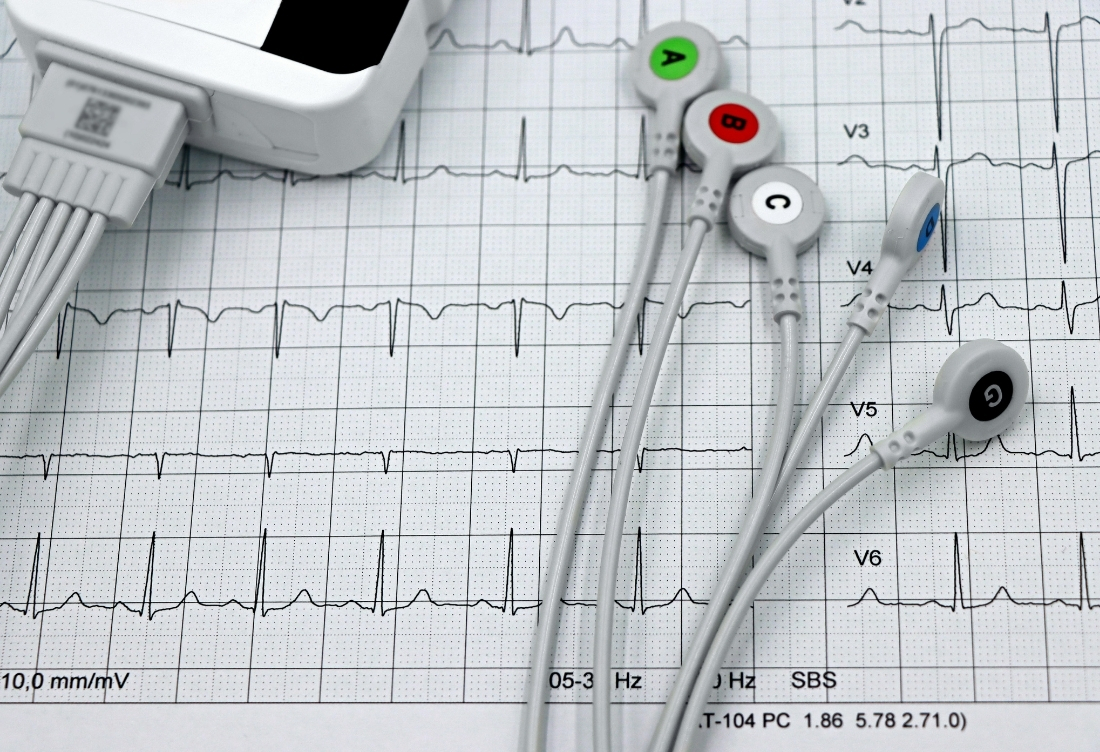
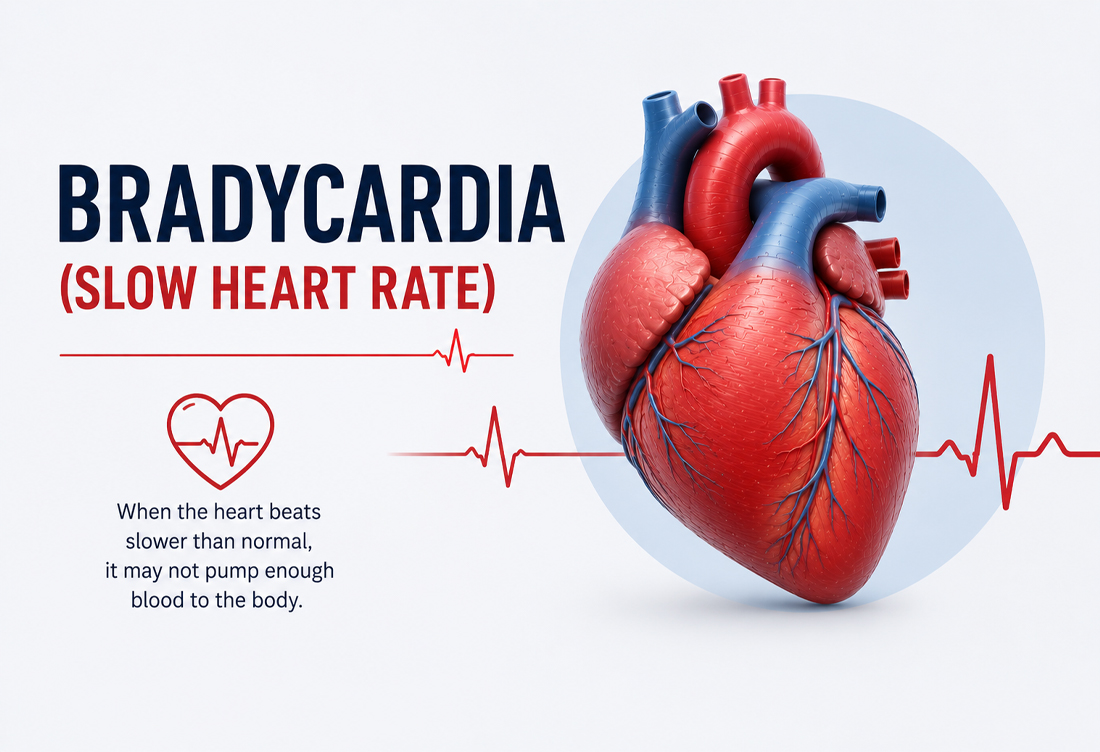
Bradycardia is a condition in which the heart beats more slowly than normal. In adults, a resting heart rate below 60 beats per minute is generally defined as bradycardia. However, a low heart rate does not always indicate a medical condition. Heart rate may naturally...

Many heart failure patients with stable conditions can exercise under the supervision of a doctor. Regular and personalized physical activity can help increase exercise capacity, reduce symptoms such as shortness of breath and fatigue, strengthen muscles, and make daily life easier. However, the same exercise program...

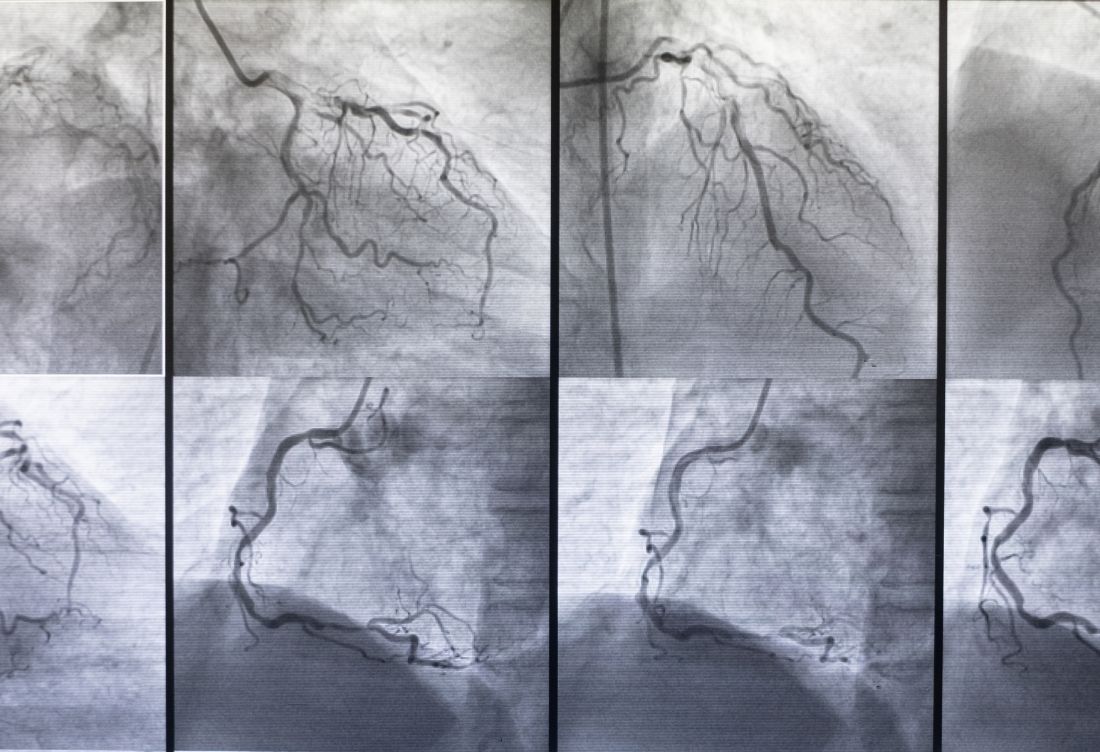
Cardiovascular diseases are among the most common health problems worldwide. The gold standard method used to clearly visualize the condition of the coronary arteries (the vessels supplying the heart) and to diagnose possible blockages is coronary angiography. So, does every patient with heart-related complaints need...

Atrial septal defect (ASD) is a congenital heart condition. People with ASD have a hole between their upper heart chambers. This hole increases the amount of blood flowing to the lungs. Small atrial septal defects may be discovered incidentally and never cause concern, while others may...

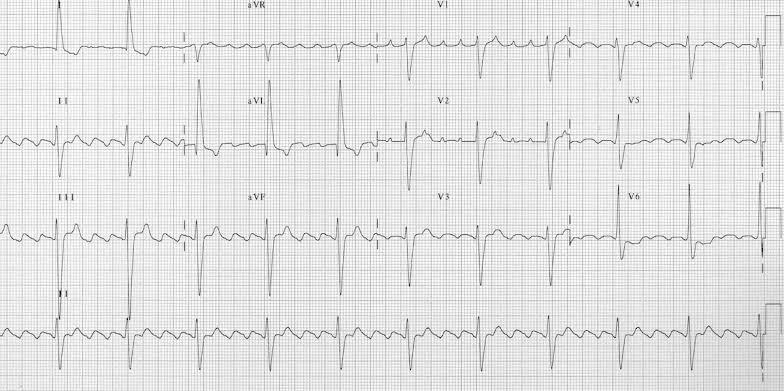
Hello dear readers, on this platform dedicated to your heart health, today I want to explain in detail a heart rhythm disorder that I frequently encounter in my cardiology practice but is perhaps not sufficiently known to the public: atrial flutter. Your heart's regular beats...

An arteriovenous malformation, also known as an AVM, is a tangle of blood vessels that create irregular connections between arteries and veins. This disrupts blood flow and prevents oxygenation of tissues. An AVM can occur anywhere in the body, including the brain. Arteries carry oxygen-rich blood...