When Is Diagnostic Coronary Angiography Necessary?
Cardiovascular diseases are among the most common health problems worldwide. The gold standard method used to clearly visualize the condition of the coronary arteries (the vessels supplying the heart) and to diagnose possible blockages is coronary angiography. So, does every patient with heart-related complaints need angiography? At what stage does diagnostic coronary angiography come into play?
What Is Coronary Angiography?
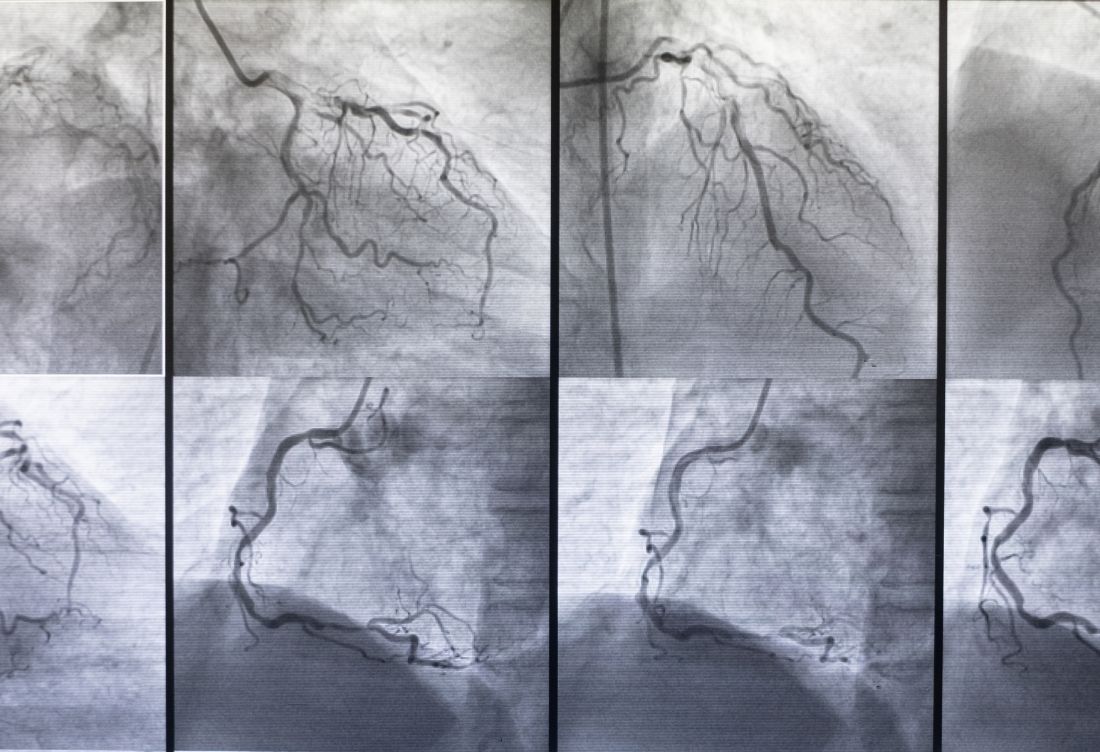
Coronary angiography is not a surgical procedure, but an advanced imaging technique. It is performed by entering through the femoral (groin) or radial (wrist) artery, injecting a special contrast agent into the coronary arteries, and visualizing the vessels under X-rays (fluoroscopy).
Through this procedure, narrowings, blockages, and structural abnormalities in the arteries can be detected with millimetric precision.
Why Is Diagnostic Coronary Angiography Performed?
The main purpose of this procedure is to make a diagnosis. It is performed in cases where coronary artery disease is suspected but a definitive conclusion cannot be reached with non-invasive tests (such as stress testing, echocardiography, or scintigraphy).
Diagnostic angiography is the most critical step in determining the patient’s treatment roadmap (medical therapy, stent/balloon, or bypass surgery).
In Which Situations Is Diagnostic Coronary Angiography Necessary?
In general, a specialist cardiologist may decide on diagnostic angiography in the following situations:
- Presence of symptoms suggesting coronary artery blockage
- Detection of high-risk findings in screening tests
- Preoperative coronary artery evaluation in patients with heart valve disease
- Cases of heart failure with an unexplained cause
When Is Angiography Performed in Patients with Chest Pain?
Not every chest pain is heart-related. However:
- Typical Angina: Pressure-like pain radiating to the left arm or jaw, increasing with physical activity
- Unstable Angina: Chest pain that occurs at rest or progressively increases in severity
If these types of pain affect the patient’s quality of life or pose a risk, angiography may be planned directly.
The Importance of Coronary Angiography in Suspected Heart Attack
In the case of a heart attack (myocardial infarction), coronary angiography is not only diagnostic but also a life-saving intervention.
In situations where the artery is completely blocked, angiography performed within the first “golden hours” identifies the location of the blockage and is immediately followed by balloon/stent treatment to prevent death of the heart muscle.
When Is Angiography Required After a Stress Test or Cardiac CT?
Tests such as stress testing, echocardiography, or coronary CT angiography (virtual angiography) are considered “guiding” tools.
However, coronary angiography becomes mandatory to confirm findings and perform intervention if necessary when:
- ECG changes or severe chest pain occur during a stress test
- More than 50% stenosis is detected in coronary CT angiography
Which Risk Factors Increase the Need for Angiography?
Some patients are in a high-risk group even if their symptoms are mild:
- Diabetes
- Family history of early heart attack
- Chronic kidney failure
- Long-term uncontrolled hypertension and high cholesterol
How Is the Decision Made for Coronary Angiography?
During the decision-making process, the cardiologist evaluates the patient’s complaints, physical examination findings, and laboratory tests as a whole.
A “risk-benefit” balance is considered. If the diagnostic benefit of the procedure outweighs the risks, angiography is recommended.
Tests Performed Before Diagnostic Coronary Angiography
Before undergoing angiography, the following preparations are generally made:
- Blood Tests: Kidney function (creatinine) and blood clotting parameters
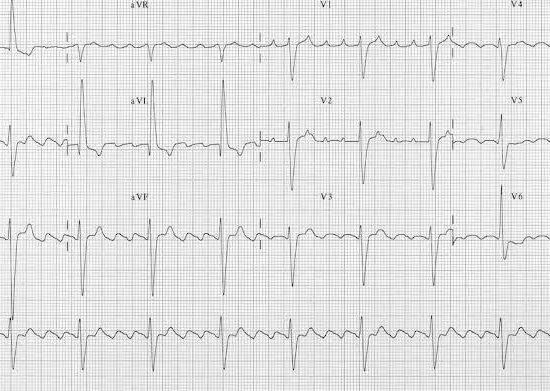
- ECG: Electrical mapping of the heart
- Echocardiography: Evaluation of heart valves and contractile function
- Physical Examination: Suitability of the vascular access site (wrist or groin)
Difference Between Diagnostic and Therapeutic Coronary Angiography
- Diagnostic Angiography: A procedure performed only to visualize the arteries. It usually takes 15–20 minutes.
- Therapeutic (Interventional) Angiography: If a severe narrowing is detected during imaging, the artery is opened in the same session using a balloon or stent. This is called Percutaneous Coronary Intervention (PCI).
Is Coronary Angiography Performed on Every Patient?
No. Angiography is an invasive procedure (one that involves entering the body). It is not recommended for check-up purposes or in the absence of symptoms/risk factors. Risk analysis should first be performed using non-invasive tests.
How Long Does Diagnostic Angiography Take?
Excluding the preparation process, the imaging procedure itself is usually completed within 15 to 30 minutes. After the procedure, it is sufficient to keep the patient under observation for a few hours depending on the access site (groin or wrist).
Is Diagnostic Coronary Angiography Safe?
With modern technology and in experienced hands, coronary angiography is a highly safe procedure. The risk of serious complications is less than 1%.
The most commonly encountered issues are mild bruising or slight oozing at the procedure site.
Frequently Asked Questions
In which situations is angiography performed?
It is performed in cases that raise suspicion of arterial blockage, such as chest pain, suspected heart attack, abnormal stress test results, or heart failure.
Does every patient with chest pain need angiography?
No. First, basic tests such as physical examination and ECG are performed. If the nature of the pain is non-cardiac (muscle pain, stomach-related pain, etc.), angiography is not required.
What tests are done before angiography?
Generally, ECG, echocardiography, and blood tests evaluating kidney function are requested.
Is diagnostic angiography the same as stent placement?
No. Diagnostic angiography is performed only to “see” the arteries, whereas a stent is a therapeutic procedure used to “open” the artery.
Is coronary angiography a risky procedure?
Like any medical intervention, it carries risks; however, with advancing technology, these risks have been minimized. It generally does not pose a life-threatening risk.
Do Not Leave Your Heart Health to Chance
Coronary angiography is considered the “gold standard” in diagnosing coronary artery diseases and is a fast and reliable method. It should not be forgotten that a timely diagnostic angiography can prevent future heart attacks and improve your quality of life with the correct treatment plan.
If you have chest pain, shortness of breath, or risk factors, managing this process under the supervision of a specialist cardiologist is the healthiest approach.