What Is Bradycardia?
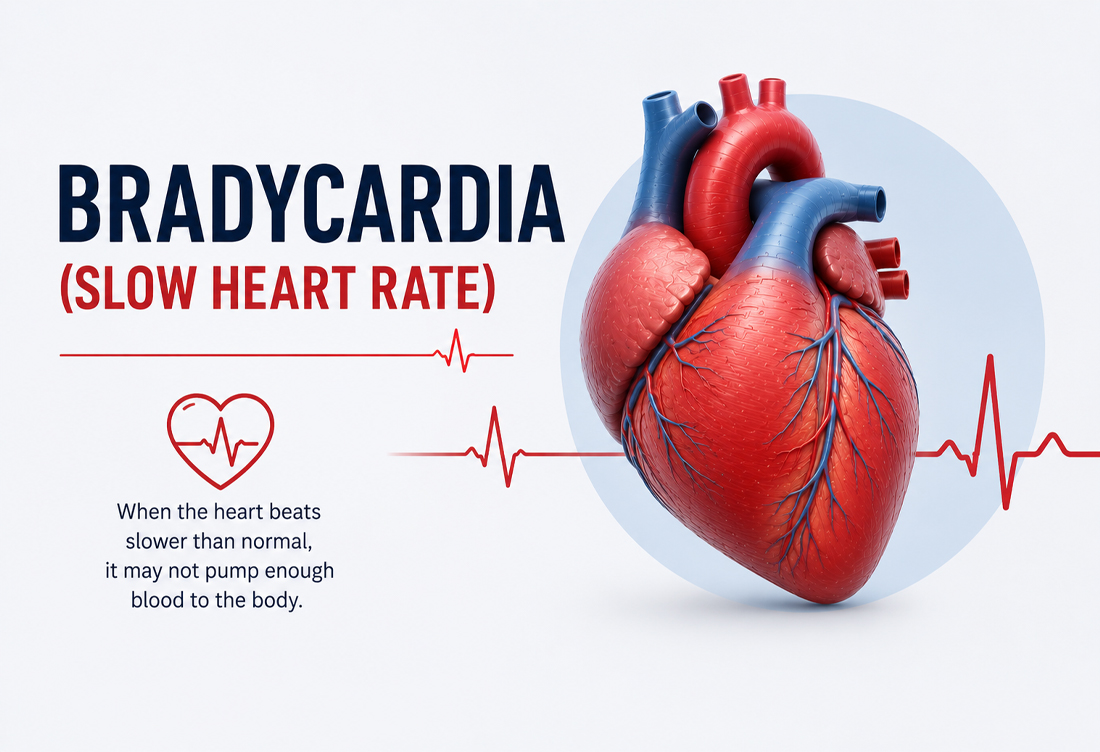
Bradycardia is a condition in which the heart beats more slowly than normal. In adults, a resting heart rate below 60 beats per minute is generally defined as bradycardia. However, a low heart rate does not always indicate a medical condition. Heart rate may naturally decrease, particularly in people who exercise regularly and during sleep.
The clinical significance of bradycardia is not determined solely by how low the heart rate is. Whether the heart is able to pump enough blood to meet the body’s needs, whether the person has any symptoms, and why the heart rate has slowed should all be evaluated together. A slow heart rate accompanied by symptoms such as dizziness, fainting, significant fatigue, shortness of breath, or chest pain should be medically evaluated.
What Causes Bradycardia?
The heart’s rhythm is controlled by a specialized electrical conduction system within the heart. Problems affecting this system can cause the heart to beat more slowly than normal. Possible causes of bradycardia include disorders of the heart’s electrical conduction system, certain heart diseases, medications, thyroid disorders, electrolyte imbalances such as abnormal potassium levels, and conditions such as sleep apnea.
In some people, however, a low heart rate may be physiological and may not indicate any health problem. For this reason, the underlying cause of bradycardia should be evaluated individually.
What Are the Symptoms of Bradycardia?
When the heart beats too slowly, it may not deliver enough blood to the body, particularly to the brain. This can lead to symptoms such as weakness and fatigue, dizziness or lightheadedness, fainting or feeling as though you may faint, shortness of breath, becoming tired earlier than usual during exercise, chest discomfort or pain, and difficulty concentrating.
However, some people may have a low heart rate without experiencing any symptoms. Therefore, the severity of bradycardia should not be determined based solely on the heart rate.
How Is Bradycardia Diagnosed?
The evaluation of bradycardia usually begins with a review of the patient’s symptoms and medical history. Medications being used, accompanying medical conditions, and the circumstances in which symptoms occur are important. During the physical examination, the heart is listened to and the pulse is assessed. Various diagnostic tests may then be used for a more detailed evaluation.
Electrocardiogram (ECG or EKG)
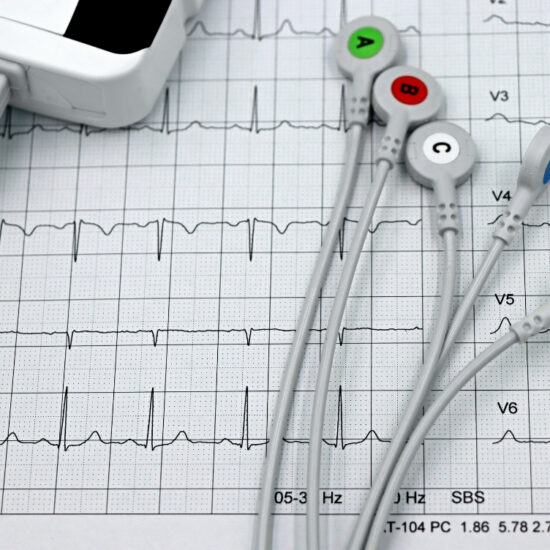
An electrocardiogram is one of the primary tests used to evaluate bradycardia. It records the electrical activity of the heart and shows both the heart rate and rhythm. Electrodes placed on the chest and, in some cases, on the arms and legs record the heart’s electrical signals. An ECG can help determine not only whether the heart is beating slowly but also whether certain rhythm or electrical conduction disorders are responsible for the slow heart rate.
Holter Monitor
Bradycardia or another heart rhythm disorder may not always occur during a medical examination. If a standard ECG does not reveal a problem but the patient experiences intermittent symptoms such as dizziness, palpitations, or fainting, Holter monitoring may be recommended. A Holter monitor is a portable device that continuously records the heart’s electrical activity during normal daily life, usually for 24 hours or longer. This makes it possible to detect temporary decreases in heart rate and rhythm changes that occur throughout the day.
Event Recorder
Longer-term monitoring may be necessary when symptoms occur infrequently. Event recorders can be used to record the heart’s electrical activity at specific times. With some devices, the patient can activate the recording when symptoms such as dizziness, feeling faint, or other complaints occur. Depending on the patient’s condition, monitoring may continue for several weeks.
Blood Tests
The cause of bradycardia does not always originate directly from the heart. Blood tests may be used to evaluate electrolyte levels such as potassium, thyroid function, and other relevant values. Blood testing may also be performed to investigate infections or metabolic conditions that could contribute to a slow heart rate.
Exercise Stress Test
In some patients, it is necessary to evaluate how the heart rate responds to physical activity. During an exercise stress test, the patient’s heart rhythm is monitored while walking on a treadmill or exercising on a stationary bicycle. This helps determine whether the heart rate increases appropriately during physical activity. In patients who cannot exercise, medications that produce effects on the heart similar to exercise may be used when considered appropriate by the physician.
Tilt Table Test
A tilt table test may be performed particularly in people who experience recurrent fainting. During the test, heart rate and blood pressure are monitored while the patient lies on a special table. The table is then gradually tilted into an upright position to assess how the heart rate and blood pressure respond to changes in body position. This test can help evaluate whether fainting is related to changes involving heart rate, blood pressure, and the nervous system.
Sleep Study
Obstructive sleep apnea, which is characterized by repeated pauses in breathing during sleep, can affect heart rhythm in some people. If sleep apnea is suspected, a sleep study may be recommended. Treating underlying sleep apnea may help reduce its negative effects on heart rhythm in certain patients.
How Is Bradycardia Treated?
Bradycardia treatment is not the same for every patient. The treatment approach depends on how low the heart rate is, whether the patient has symptoms, the underlying cause of bradycardia, and the condition of the heart’s electrical conduction system. In people who have no symptoms and whose low heart rate is not considered medically problematic, regular monitoring alone may be sufficient. When treatment is necessary, the approach varies according to the underlying cause.
Can Medications Cause Bradycardia?
Yes. Certain medications that affect heart rate can cause bradycardia or make existing bradycardia more pronounced. For this reason, patients should inform their physician about all medications they use during the evaluation. This includes prescription medications as well as over-the-counter medicines, vitamins, and supplements.
If bradycardia is believed to be related to a medication, the physician may adjust the dosage or, when appropriate, switch to another treatment. However, patients who notice a low heart rate should not stop taking their medication or change the dosage on their own.
Can Treating the Underlying Condition Correct Bradycardia?
In some patients, yes. If another health problem, such as thyroid disease or sleep apnea, is causing the heart rate to slow, treating that condition may be the first step. Once the underlying cause is controlled, the heart rate may also improve. For this reason, identifying the cause of bradycardia as accurately as possible is important before determining the appropriate treatment.
When Is a Pacemaker Needed for Bradycardia?
Not every patient with bradycardia needs a pacemaker. However, pacemaker treatment may be considered in some patients whose heart rate is significantly slow, who develop serious symptoms as a result, and whose condition cannot be corrected through other approaches.
A pacemaker is a small electronic device that is generally implanted under the skin near the collarbone. It monitors the heart’s rhythm and, when necessary, sends electrical impulses to the heart to help maintain an appropriate heart rate. The decision to implant a pacemaker is not based solely on the pulse rate. Symptoms, ECG and rhythm monitoring results, the type of electrical conduction problem, and other clinical findings are evaluated together.
Does a Heart Rate Below 60 Mean You Need a Pacemaker?
No. A resting heart rate below 60 beats per minute does not automatically mean that a pacemaker is required. Some healthy people, particularly those who exercise regularly, may naturally have a lower heart rate. Heart rate can also decrease during sleep.
What matters most is whether the slow heart rate is causing symptoms and whether there is a clinically significant rhythm or electrical conduction disorder behind it. Therefore, a question such as “My heart rate is 50; do I need a pacemaker?” cannot be answered based on the heart rate alone.
When Is Bradycardia Dangerous?
The significance of bradycardia varies from person to person. Asymptomatic, physiological bradycardia is not the same as severe bradycardia that prevents the heart from pumping enough blood to the body. A slow heart rate accompanied by fainting, feeling as though you may faint, significant shortness of breath, chest pain, changes in consciousness, or severe weakness requires more urgent medical evaluation. Emergency medical assessment may be necessary when severe symptoms develop or when these symptoms begin suddenly.
How Should You Prepare for a Doctor’s Appointment?
Preparing certain information before a cardiology appointment for bradycardia can make the evaluation more effective. It may be helpful to note when the symptoms began, how frequently they occur, and which situations make them worse. Patients should also mention whether they have ever fainted and whether symptoms occur during exercise.
A complete list of medications and their dosages should be prepared, including vitamins and supplements. The physician should also be informed about any family history of heart disease, heart rhythm disorders, stroke, high blood pressure, or diabetes.
Frequently Asked Questions About Bradycardia
Are Bradycardia and Low Blood Pressure the Same Thing?
No. Bradycardia refers to a heart rate that is slower than normal, while low blood pressure, or hypotension, refers to blood pressure that is lower than normal. They are different conditions, although they may occur together in some people. Medical evaluation may be necessary particularly when a slow heart rate occurs together with low blood pressure, dizziness, or fainting.
Can Bradycardia Cause a Feeling of Palpitations?
A slow heart rate does not necessarily mean that a person cannot experience palpitations. Irregular heart rhythms or long pauses between heartbeats may sometimes be perceived as palpitations, skipped beats, or a sensation that the heart is briefly stopping.
Is It Normal for Heart Rate to Drop During Sleep?
A decrease in heart rate during sleep is a normal physiological response in many people because the body’s energy requirements are lower. However, further evaluation may be necessary if the heart rate becomes excessively slow during sleep, prolonged pauses occur between heartbeats, or there is a suspicion of sleep apnea.
Why Can Athletes Have a Lower Heart Rate?
Regular exercise can make the heart more efficient, allowing it to pump more blood with each heartbeat. As a result, particularly in well-conditioned individuals, the heart may be able to meet the body’s needs with fewer beats while at rest. A low resting heart rate in an athlete who has no symptoms does not necessarily indicate a heart condition.
Does Bradycardia Prevent You From Exercising?
Not everyone with bradycardia needs to stop exercising. The decision about exercise should be based on the underlying cause of the bradycardia, the patient’s symptoms, and whether the heart rate increases adequately during physical activity. Cardiology evaluation is particularly important if dizziness, chest pain, shortness of breath, or a feeling of impending fainting occurs during exercise.
Can Drinking Coffee Correct Bradycardia?
Caffeine may temporarily increase heart rate in some people, but it is not considered a treatment for bradycardia. Consuming excessive amounts of coffee or energy drinks in an attempt to increase heart rate does not correct the underlying cause of bradycardia and may contribute to other heart rhythm problems.
Can Bradycardia Develop Suddenly?
Yes. In some people, bradycardia develops gradually, while in other situations it may appear suddenly. A newly developed significant decrease in heart rate accompanied by dizziness, fainting, shortness of breath, chest pain, or changes in consciousness requires prompt medical evaluation.
Is Measuring Your Heart Rate at Home Enough to Diagnose Bradycardia?
No. A smartwatch, blood pressure monitor, or manual pulse check can indicate that the heart rate is low, but these methods cannot determine the underlying cause of bradycardia. An ECG and, when necessary, longer-term heart rhythm monitoring may be required to diagnose the type and cause of the rhythm problem.
Does Bradycardia Become More Common With Age?
Changes can occur in the heart’s electrical conduction system as people age. Therefore, certain rhythm and conduction disorders that cause the heart rate to slow may become more common with advancing age. However, bradycardia is not a condition that occurs exclusively in older adults.
Conclusion
Bradycardia is a condition in which the heart beats more slowly than normal, but not every low pulse rate indicates heart disease. In some people, a low heart rate may be completely physiological, while in others it may be a sign of a problem involving the heart’s electrical conduction system or another underlying medical condition.
For this reason, the evaluation of bradycardia should not focus only on the question, “What is the heart rate?” The patient’s symptoms, ECG findings, medications, and possible underlying causes should all be considered together. A slow heart rate accompanied by symptoms such as dizziness, fainting, shortness of breath, chest pain, or significant fatigue requires cardiological evaluation. Treatment is planned according to the underlying cause; monitoring may be sufficient for some patients, while others may require medication adjustments, treatment of an underlying condition, or a pacemaker.